Drayton Hall Plantation Q&A
Handsome Properties February 8, 2022
Handsome Properties February 8, 2022
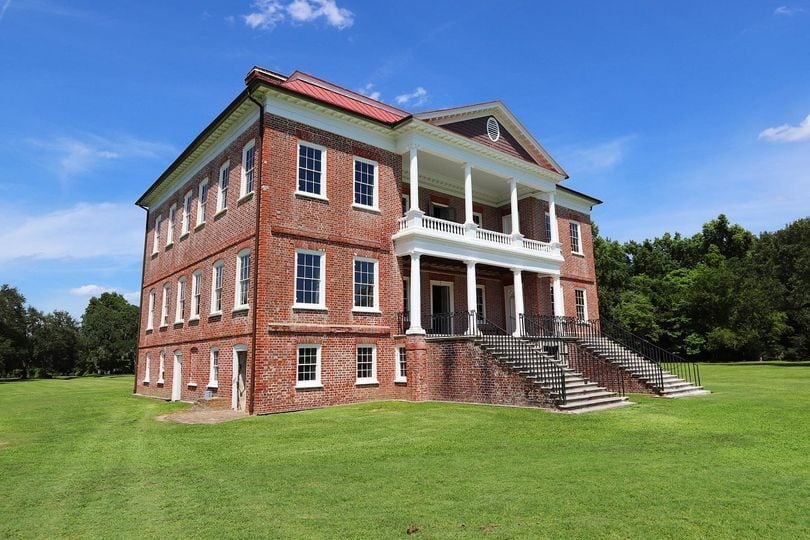
Drayton Hall, built circa 1738, is the oldest unrestored plantation house in the U.S. Having survived the Civil War and Revolutionary War, the house has seen many historic events and stayed intact. The main house is a primary example of Palladian architecture, built as a five-part Palladian plan with colonnade walls connecting the main house to two brick flanker buildings.
These historic grounds are also an active archeological site. Over 1 million artifacts have been discovered, yielded from only 2% of the 76,000 acres! These discoveries give us a glimpse into what life was like on the plantation.
Drayton Hall Plantation began in 1738 when John Drayton (1715-1779) purchased the property at the age of 23. He had grown up on the property next door, known as Magnolia Plantation, but was the third son of his parents, Thomas and Ann Drayton, and therefore would not inherit their property.
John Drayton is credited as the designer of Drayton Hall which served as the home seat for his extremely large plantation network totaling over 76,000 acres of land and innumerable enslaved individuals. Construction of Drayton Hall took approximately 12 years to complete, likely finishing around the year 1750.
Drayton Hall features an 11,000 square ft main house, constructed between 1738-1750; a c.1870 Caretaker’s house, an 18th century privy, and a modern visitor center with an orientation hall, exhibit gallery, and courtyard garden.
Drayton Hall’s historic buildings are preserved as we received them from the Drayton family in 1974. We do preservation work to keep them in good condition and to make sure they’re safe for staff and visitors, but never for purely cosmetic reasons or to restore them to a particular period from their history.
This preservation approach sounds deceptively simple; in reality, it takes two full-time staff members and a team of architecture, engineering, and trades professionals to maintain these buildings to our high standards.
Drayton Hall is the oldest fully-executed Palladian style villa in North America. While many houses of the period copied neo-classical, Anglo-Palladian designs popular in England, Drayton Hall’s inspiration seems to be directly derived from the Italian villas of Andrea Palladio (1508-1580).
The 18th century privy building is unique for being constructed of brick in a very high style with many decorative details that are striking given the intended function of the building. The c.1870 caretaker’s house is a vernacular building that bears many similarities to African-American dwellings constructed in post-bellum and early-20th century Charleston.
It has several architectural embellishments which, coupled with census records, lead us to believe that it was built for a white caretaker. However, that caretaker quickly moved on, and the house became the residence for the formerly-enslaved Hayes and Bowens families until the 1960s.
Since archaeological investigations were first undertaken in 1974, major archaeological investigations explored two wells – one related to the 18th century Drayton household and another from the European settling of the property before the Draytons.
Other investigations in and around the main house, privy, garden house, and several projects focused on better understanding the enslaved and post-bellum black communities at Drayton Hall have also been undertaken. This work has yielded over a million artifacts to date, including finds never before uncovered in North America.
Fun fact: We have archaeologically recovered a type of ceramic at Drayton Hall that no other site in North America has found; it is called black delft and there are only 67 intact vessels of this type known in the world and yet one of those vessels made it to the Drayton Hall property—in a time proceeding the ownership of the Drayton family.
There is an entire earlier plantation on the grounds that is only known through archaeology! My favorite location is in the cellar of Drayton Hall, this was a place where enslaved individuals both lived and worked in the 18th century.
So little is known of their lives, and I find this a contemplative space to think about the cooks, nannies, butlers, and laundresses that once inhabited the cellar. It forms a powerful connection to the past for me and reminds me of the work we are doing at Drayton Hall to interpret the full history of Drayton Hall.
Fun fact: From the archaeological record we have fossils dating from 22.7 million years ago, artifacts from Native American settlement during the Late Woodland Period (600-1650AD), finds from the British settlement of South Carolina in the 17th c. right up to the present day.
Lots of history in one place! Favorite location on the grounds: the site of the garden house. From this place, one has a wonderful vantage point for 360 degrees – the protected vista of the Ashley River and views of the house and remnants of the designed landscape.
My favorite fun fact is that there are four hidden vaults below the main exterior stairs that no one knew existed until 2015. We discovered them when we drilled through a brick wall during a preservation project, and the only information we have about what’s inside comes from video we’ve captured by snaking a small camera into the space. My favorite location on the property is the attic, which still feels mysterious and full of untapped discoveries after all these years!
My favorite fact about Drayton Hall is that even though we know so much about the plantation and the people who lived and worked here over time, there’s still so much to learn. It’s exciting to be part of a place where new discoveries are constant.
My favorite location on the Drayton Hall grounds is the walking path by the Ashley River. It’s a quiet, contemplative location to appreciate the site’s natural beauty.
How Drayton Hall survived the Revolutionary and Civil Wars is one of the questions we’re asked the most, and the answers are complicated. In 1779, John Drayton fled Drayton Hall as the British presence in the Lowcountry grew. He died of natural causes the same year, leaving his wife, Rebecca Perry Drayton, with three young children.
In 1779, British troops led by General Augustine Prevost plundered many plantations, including Drayton Hall, following an initial assault on Charleston. In March of 1780, Drayton Hall saw significant military presence when British General Clinton sent then-Colonel Charles Cornwallis and light infantry to Drayton Hall, where they waited to be joined by other troops.
They were joined by the 7th, 23rd, and 71st regiments; British and Hessian grenadiers; and the British cavalry at Drayton Hall. By 3:00 a.m. on March 29, 1780, all units had arrived at Drayton Hall and began to cross the Ashley River.
The Siege of Charleston began on April 1. Drayton Hall was likely used by British leaders Cornwallis and Tarleton as a headquarters later in the War. American soldiers may also have utilized Drayton Hall, and some accounts indicate that Rebecca Perry Drayton may have lived in Drayton Hall with her children when the property was occupied by British and American soldiers.
How the plantation’s enslaved population was impacted during this period is not well-documented, but British troops were known to take enslaved people from various properties.
What happened at Drayton Hall during the Civil War (1860-1865) is not as well-documented. By then, Drayton Hall was no longer the Draytons’ primary residence, and it probably had not been for at least a couple of decades.
Exactly why it was not burned along with other plantation houses on the Ashley River is a mystery. One story claims Dr. John Drayton used Drayton Hall as a hospital and put quarantine flags at the property’s entrance to keep Union troops away. However, no original primary document has been located to prove that this story is true.
But there is a primary document that might offer some answers. Dr. Henry Orlando Marcy, a surgeon in the 35th Regiment of the US Colored Troops, recorded some details in his diary that may describe events at Drayton Hall.
After writing about burning buildings at Middleton Place, very close to Drayton Hall, he mentioned a property with a very old brick house with a hip roof, a description that fits Drayton Hall, although he said someone else owned it.
He said that at this plantation, the USCT troops told enslaved people they were now free, took some cornmeal, and left. He recorded burning every other house they came to but did not explain why the house with the hip roof was spared.
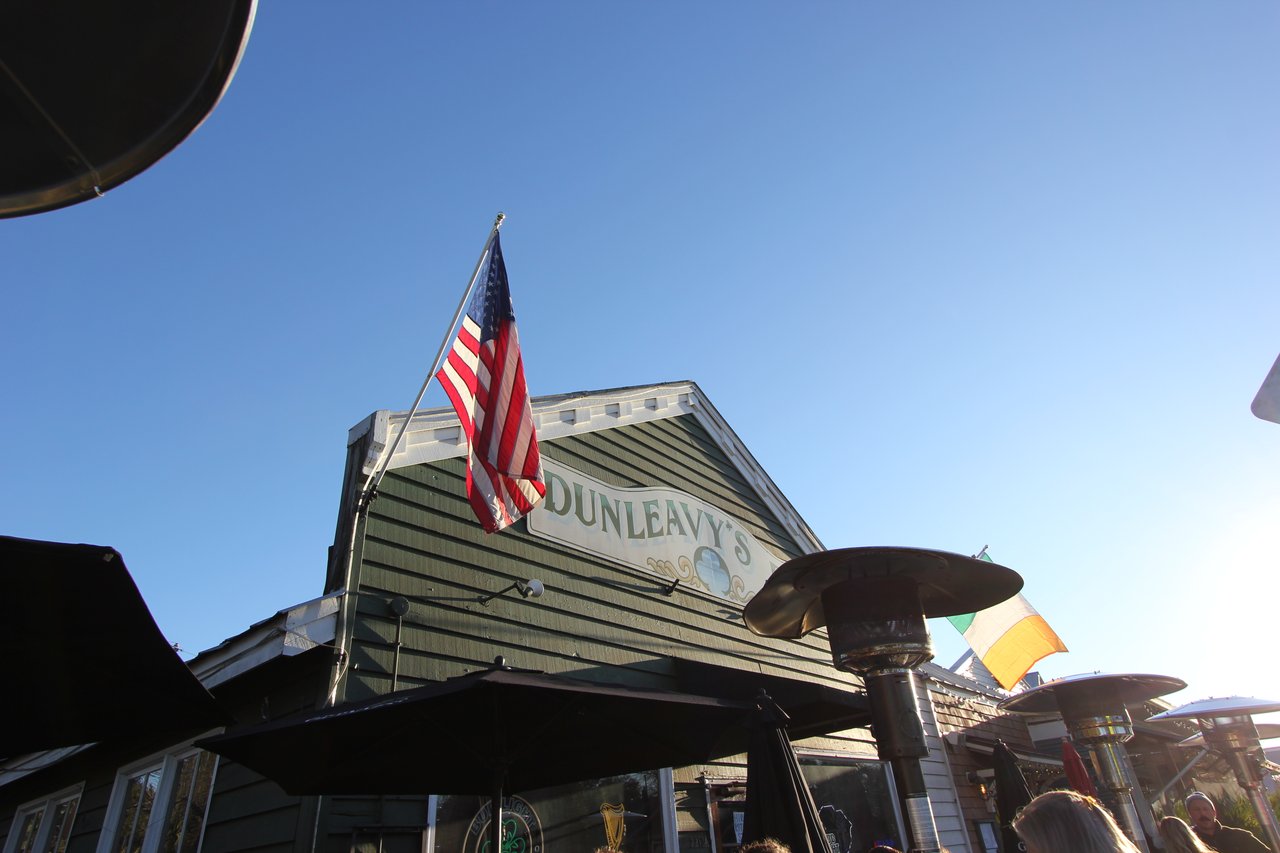
Dine at traditional pubs, enjoy live music, and find authentic Irish hospitality.
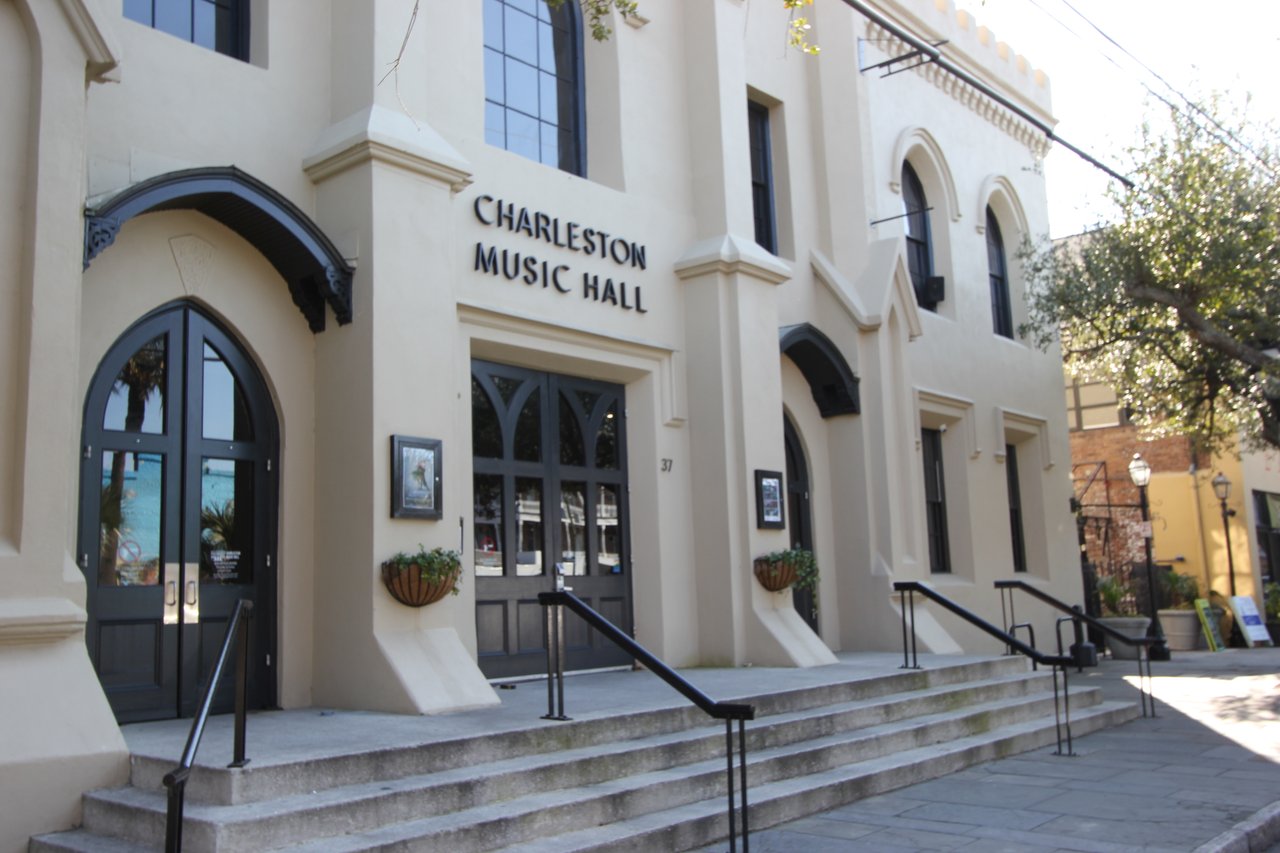
Discover Gullah rhythms, jazz history, and iconic venues across the Holy City.
Build long-term wealth by investing in the timeless beauty of Charleston.
Sell your home faster and for a higher price with a dedicated professional.
Ensure your dream home stays a joy by being financially and mentally prepared.
Unlock the secrets to a seamless home selling experience in Charleston.
Get the value you deserve with a professional agent and a proven sales strategy.

Discover the quiet beauty and historic allure of Charleston’s Philadelphia Alley.
Experience the best of Charleston seafood at these acclaimed 167 Group locations.
Transforms property buying and selling into a thoughtful, curated, and highly personalized experience, expertly tailored to Charleston’s luxury, historic, and exclusive real estate markets.